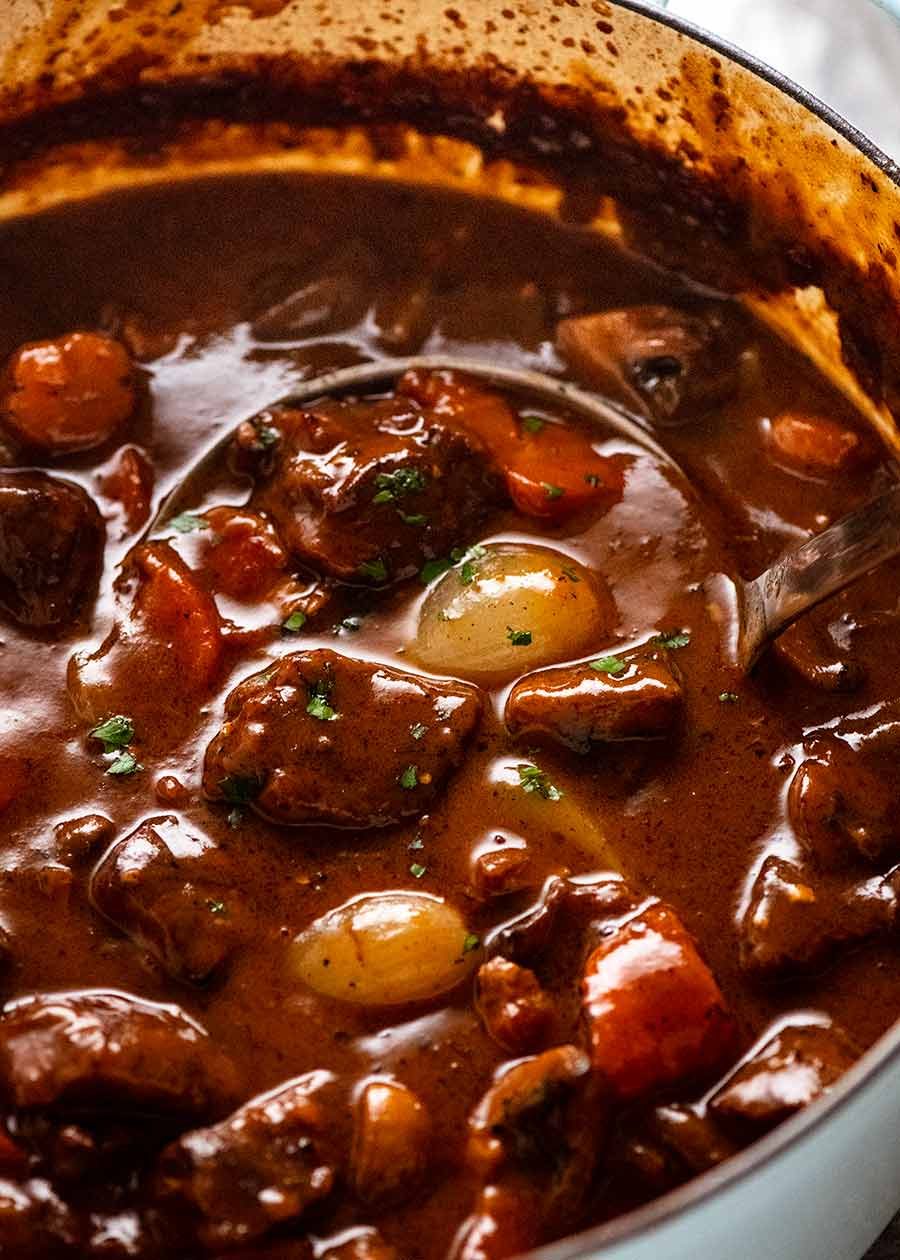
Often hailed as the mother of all stews, Beef Bourguignon is a culinary masterpiece that embodies the rustic elegance of French cooking. This iconic dish, originating from the Burgundy region of France, is far more than just a beef stew; it's a symphony of flavors achieved through meticulous preparation, choice ingredients, and the magic of slow cooking. From the tender, fall-apart beef to the deeply aromatic red wine sauce, every element plays a crucial role in crafting a truly unforgettable experience. While many attempt this classic, achieving genuine perfection hinges on understanding three core secrets: the right wine, the ideal cut of beef, and a non-negotiable two-day preparation.
The Heart of the Dish: Unveiling the Beef Bourguignon Experience
Picture the rolling vineyards of Burgundy, dotted with charming bistros serving up traditional French fare so incredible, you'd swear you'd stumbled into a hidden Michelin-starred restaurant. It's here, in the very heartland of its creation, that the allure of Beef Bourguignon truly comes alive. Every family-run establishment boasts its 'secret recipe,' each slightly different, yet all united by a commitment to quality and a profound respect for tradition. This dish isn't just a meal; it's a testament to the power of patience and a celebration of regional ingredients.
Our journey to unraveling the secrets of the ultimate Beef Bourguignon has been guided by extensive travel and, more recently, the invaluable insights of a classically trained French chef from Burgundy. This expertise has allowed us to refine techniques, elevate flavors, and ultimately craft a recipe that, by many accounts, surpasses even some of the most lauded versions, including Julia Child's iconic rendition. The pursuit of perfection in this dish involves a delicate balance of robust flavors and subtle complexities, turning simple ingredients into something extraordinary.
The Elixir of Flavor: Mastering Wine Selection for Beef Bourguignon
The name itself, Beef Bourguignon or Beef Burgundy, immediately points to one of its most critical components: the wine. And for this French classic, tradition dictates a specific choice: Pinot Noir. Hailing from the same region as the stew, Pinot Noir offers a unique character that is both unexpected and utterly essential. While one might instinctively reach for a bolder, more robust red wine for a hearty stew, the lighter, more delicate profile of Pinot Noir is precisely what makes it ideal. Its nuanced flavor complements rather than overwhelms the natural richness of the beef, allowing both elements to shine.
When selecting your wine, heed the advice of French chefs: use something simple yet drinkable. You don't need to break the bank, but avoid anything you wouldn't enjoy in a glass. After all, you'll be using a whole bottle for the dish itself – and trust us, you'll want another bottle to sip alongside your culinary creation! This brings us to a fascinating point of debate among culinary enthusiasts: whether to use all wine or a combination of wine and stock. While some traditionalists advocate for an entirely wine-based braising liquid to achieve unparalleled depth, others find that a good quality beef stock adds another layer of complexity and richness without detracting from the wine's character. Our preferred method, aligning with the insights of Burgundian chefs, often incorporates a thoughtful balance, allowing for the best of both worlds – the pronounced wine notes softened and enriched by a robust stock, especially a homemade one, which we consider a single biggest variable for stew success.
The Foundation: Selecting and Preparing Your Beef and Aromatics
The star of our show, the beef, must be chosen with care. For a truly fall-apart tender result, chuck beef is unequivocally the best choice. Look for good quality cuts generously ribboned with fat, as this marbling will render down during the slow cooking process, contributing immensely to the juiciness and flavor of the stew. Equally important is the size of your beef cubes. Resist the temptation of pre-cut, smaller pieces often found in supermarkets. Instead, aim for substantial chunks, ideally 4-5 cm (around 2 inches) per side, or purchase a single large piece and cut it yourself. Smaller pieces will cook too quickly, becoming dry and stringy long before the rich sauce has had ample time to develop its full depth of flavor.
The preparation begins with a crucial step: marinating the beef in a generous amount of that chosen Pinot Noir, infused with classic aromatics like fresh thyme and bay leaves, along with humble carrots. This marinade not only begins to tenderize the meat but also deeply infuses it with the wine's delicate character. Beyond the beef, the stew's aromatic base is further built upon a delightful cast of supporting characters. Crispy bacon lardons provide a foundational layer of savory richness. For onions, the traditional choice is pearl onions. While these small, sweet onions can sometimes be difficult to find, especially outside of Europe, don't despair! "Pickling onions" are an excellent substitute; simply peel an extra layer or two to achieve the desired pearl onion size. Alternatively, sliced regular brown onions will still yield a delicious result – the flavor profile remains wonderfully intact, we promise.
The Secret to Perfection: Why Two Days Make All the Difference
This is where the true mastery of Beef Bourguignon unfolds. The most significant secret, and one repeatedly championed by culinary experts and traditional Burgundian cooks alike, is the invaluable investment of a two-day preparation. This isn't just a suggestion; it's a non-negotiable step towards achieving a stew of unparalleled magnificence. shortcuts, especially when it comes to individually pan-roasting ingredients, will inevitably compromise the final result. For a deeper dive into the step-by-step process of this extended preparation, we recommend exploring The Ultimate Beef Bourguignon: A French Chef's Guide to Perfection.
Here’s how the two-day magic works:
- Day 1: The Foundation
- Marination: Begin by marinating your robust chuck beef in Pinot Noir and aromatics. This allows flavors to penetrate deeply, tenderizing the meat.
- Individual Searing: This is paramount. Each ingredient – the bacon lardons, the beef cubes (in batches!), and the vegetables – must be individually seared to achieve a rich, caramelized crust. This browning develops complex flavors (the Maillard reaction) that are the bedrock of the stew's depth.
- Slow Cooking: Combine all the browned ingredients with the wine, beef stock (if using), and remaining aromatics. Bring to a gentle simmer, then transfer to a low oven for several hours of slow, patient cooking. This is where the magic happens, as tough collagen in the beef breaks down into gelatin, creating that melt-in-your-mouth texture and enriching the sauce.
- The Rest: Once cooked, allow the stew to cool completely and refrigerate overnight. This resting period is critical. As the stew cools, the flavors meld, deepen, and marry beautifully. The fat solidifies, making it easy to skim off any excess the next day for a cleaner, richer sauce.
- Day 2: The Grand Finale
- Skimming & Reheating: Gently skim any solidified fat from the surface. Reheat the stew slowly on the stovetop or in the oven until warmed through.
- Finishing Touches: Just before serving, sauté fresh mushrooms and pearl onions (or their alternatives) separately until golden and tender. Stir these vibrant additions into the reheated stew. This ensures they retain their texture and distinct flavor, offering a delightful contrast to the deeply cooked elements.
This patient, two-day approach is an investment, but the dividends are enormous: a truly magnificent Beef Bourguignon with unparalleled depth, complexity, and tenderness.
Beyond the Basics: Essential Tips for an Unforgettable Beef Bourguignon
- Patience is Your Best Ingredient: Rushing any step, particularly the browning or the slow cooking, will diminish the final flavor.
- Don't Overcrowd the Pan: When browning beef or bacon, cook in small batches to ensure a proper sear, not steaming.
- Taste and Adjust: Season generously with salt and freshly ground black pepper throughout the cooking process, tasting and adjusting as you go. A touch of sugar can balance the acidity of the wine if needed.
- Serve with Elegance: Traditionally served with boiled potatoes, mashed potatoes, or crusty bread to soak up every last drop of the luscious sauce.
The journey to mastering Beef Bourguignon is a rewarding one, steeped in French culinary tradition. By understanding the critical roles of selecting the right wine and beef, and embracing the transformative power of a two-day preparation, you unlock the secrets to creating a dish that is truly a cut above the rest. This isn't just cooking; it's an act of culinary devotion, resulting in a rich, comforting, and exquisitely flavorful stew that will transport your senses straight to the heart of Burgundy.
