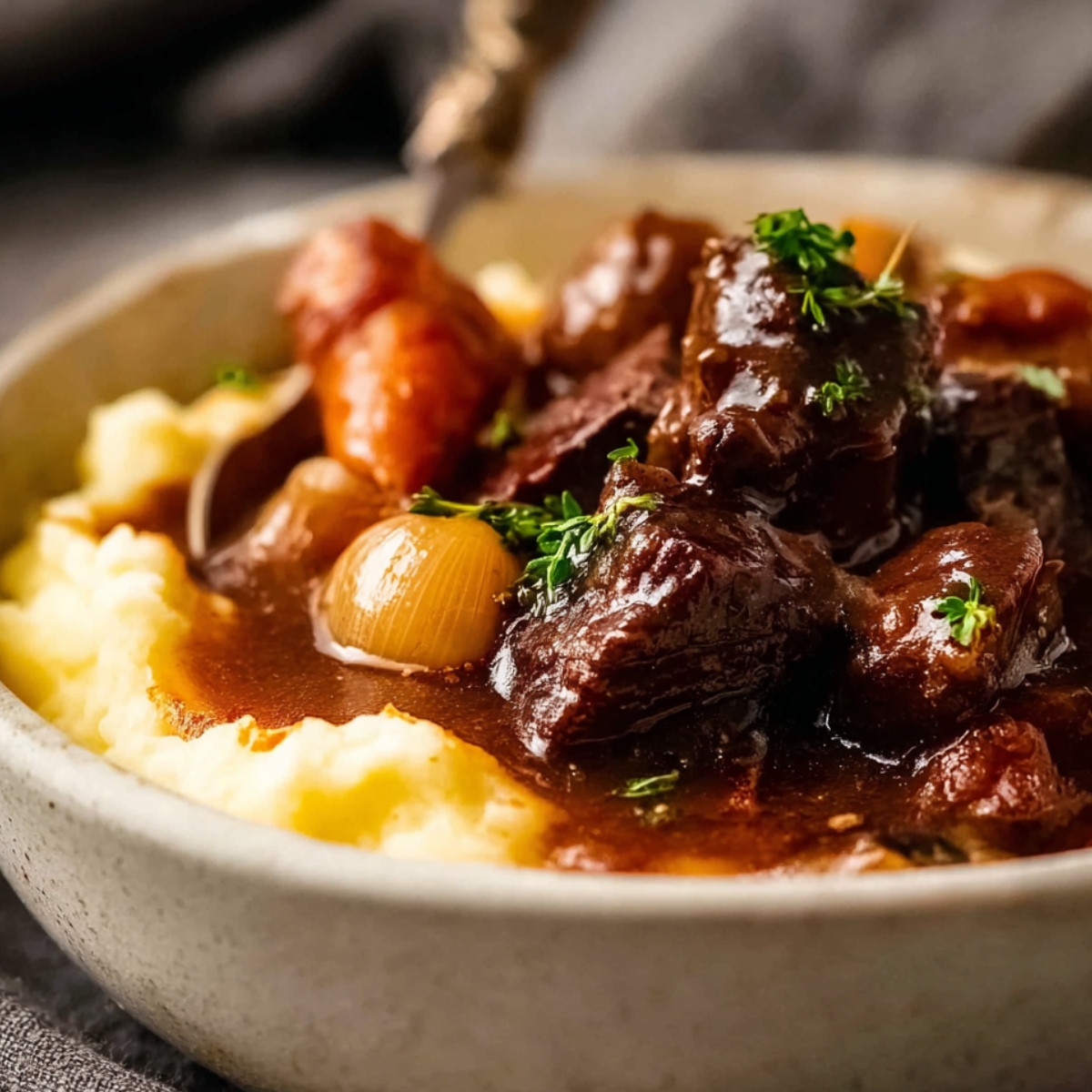
Ah, Beef Bourguignon. Just the name conjures images of rustic French kitchens, robust red wines, and bubbling pots of richly savory stew. Revered as arguably the 'mother of all stews,' this iconic French dish, sometimes known as Beef Burgundy, is a testament to the magic of slow cooking. It's a symphony of tender beef, crisp bacon lardons, sweet carrots, pearl onions, and earthy mushrooms, all harmoniously melded in a deep, aromatic sauce. But beneath its universally adored exterior lies a passionate culinary debate that divides even seasoned chefs: what constitutes the ideal liquid base for the sauce? Is it a bold, unadulterated embrace of all red wine, or does the dish truly sing with the nuanced addition of beef stock?
The answer, as with many culinary traditions, isn't always straightforward. Both approaches have their staunch advocates, promising the most magnificent stew of your life. Let's delve into the heart of this delicious contention and uncover the secrets behind crafting an unforgettable Beef Bourguignon.
The Heart of the Stew: Understanding the Bourguignon Base
Hailing from the Burgundy region of France, it’s no surprise that wine, specifically Pinot Noir, plays an indispensable role in Beef Bourguignon. The dish isn't just a collection of ingredients; it's a slow-cooked narrative of flavor development, where each component contributes to a magnificent whole. From pan-roasting ingredients individually to developing a deep, caramelized fond, every step builds layers of taste. While the foundational elements of quality chuck beef, bacon, and fresh aromatics are non-negotiable, the choice of liquid for the long, slow simmer is where culinary philosophies diverge.
The "All Wine" Philosophy: A Bold & Authentic Approach
For some, the essence of Beef Bourguignon lies in an unyielding commitment to its Burgundian roots, meaning the sauce should be composed almost entirely of red wine. Proponents of this method argue that using all wine creates an intensely concentrated, deeply vinous sauce that truly showcases the regional varietal. The result is a stew with a bolder, more assertive flavor profile, a richer hue, and an undeniable link to its vinicultural heritage. The New York Times Cooking's recipe, for instance, implies a heavy reliance on wine, describing the dish as "meat slowly simmered in hearty red wine along with pearl onions, mushrooms and crisp, cubed bacon." It echoes the sentiment that "the secret to this rich beef casserole is to use all wine and no stock."
This approach demands a mindful selection of wine. A full bottle of Pinot Noir is often recommended, not just for marinating the beef but as the primary cooking liquid. While using a lighter-style wine like Pinot Noir might seem counterintuitive for a hearty stew, its more delicate flavor, compared to bolder wines like Shiraz, prevents it from overwhelming the natural beef taste. The key here is not just quantity, but quality. As NYT Cooking suggests, "Use a good wine here, something simple but drinkable. It makes all the difference in the finished dish." The intense reduction of the wine concentrates its flavors, creating a complex, savory depth without an overpowering alcoholic punch, yielding a truly profound and characterful sauce.
The "Wine and Stock" Camp: Layered Depth and Culinary Balance
On the other side of the debate stands the camp that champions the inclusion of beef stock alongside red wine. Many classically trained French chefs, including one who assisted in developing a widely praised recipe, advocate for homemade beef stock as "the single biggest variable" distinguishing a good stew from an incredible one. This school of thought suggests that while wine provides the essential acidity and fruit notes, stock brings an unparalleled layer of savory depth, umami, and a luscious mouthfeel that wine alone cannot achieve.
The beauty of incorporating high-quality beef stock lies in its ability to round out the wine's acidity, creating a more balanced and multifaceted flavor profile. Homemade stock, rich in collagen, contributes to a silkier, more unctuous sauce that coats the palate beautifully. It also offers a degree of control over the final consistency, allowing the cook to achieve that perfect, gravy-like thickness without solely relying on flour or cornstarch. The argument here isn't to dilute the wine's character but to enhance and deepen the overall complexity, transforming a purely vinous sauce into a profoundly savory and comforting stew. For those aiming for the ultimate Beef Bourguignon, the synergy between a quality Pinot Noir and a rich, homemade beef stock is often considered the path to perfection.
Key Ingredients Beyond the Liquid: Pillars of a Perfect Bourguignon
While the wine vs. stock debate is central, it’s crucial not to overlook the other foundational components that elevate Beef Bourguignon from a simple stew to a culinary masterpiece. The excellence of the final dish hinges significantly on the quality and preparation of every ingredient.
Choosing Your Beef: The Chuck Challenge
Not all beef is created equal, even for slow cooking. The consensus among experts points to chuck beef as the ideal cut. Look for pieces "ribboned with fat for the juiciest result." This marbling breaks down during long simmering, infusing the meat with flavor and keeping it moist and tender. Crucially, the size of your beef pieces matters immensely. The recommendation is to use large cubes, around 4-5 cm (2 inches), or to buy a single piece and cut it yourself. Smaller, pre-cut pieces run the risk of cooking faster than the sauce has time to develop its full depth of flavor, leading to dry, stringy beef and an underdeveloped sauce. Patience in selecting and preparing your beef is a cornerstone of this slow-cooked triumph.
The Essential Aromatics and Fungi
Beyond the beef, the supporting cast of ingredients plays a vital role in building the Bourguignon's iconic flavor profile:
- Bacon Lardons: Crisp, cubed bacon (or pancetta) is rendered first, providing a flavorful fat for browning the beef and a smoky, savory element to the stew.
- Pearl Onions: These small, sweet onions are traditional, offering a delicate onion flavor and a delightful texture. While sometimes "annoyingly difficult to find," alternatives like "pickling onions" or even regular sliced onions can be used, with the promise that "the end result tastes the same."
- Carrots: Simple, everyday carrots add natural sweetness and depth to the base.
- Mushrooms: Earthy and robust, mushrooms are typically sautéed separately until golden brown and added towards the end of the cooking process or just before serving, as recommended by NYT Cooking, to retain their texture and distinct flavor.
- Herbs: Classic aromatics like fresh thyme and bay leaves are indispensable, infusing the stew with their fragrant essence.
The collective wisdom also consistently stresses the importance of individual pan-roasting of ingredients – browning the beef, rendering the bacon, caramelizing the onions – before combining them for the long simmer. This meticulous step builds a profound foundational flavor, differentiating a good stew from an truly exceptional one.
The Verdict: Crafting Your Ultimate Beef Bourguignon
So, where does this leave us in the great Beef Bourguignon debate? Ultimately, the 'best' method for your stew's liquid base often boils down to personal preference and the desired flavor profile. If you seek an intensely wine-forward, rustic expression of Burgundian cuisine, leaning heavily on a good quality Pinot Noir might be your preferred path. This approach celebrates the pure, concentrated essence of the wine, resulting in a bold and distinctive stew.
However, for those desiring a richer, more rounded, and deeply savory experience with a luscious mouthfeel, incorporating high-quality beef stock alongside the wine can yield an unparalleled depth. The stock adds a layer of umami and body that beautifully complements the wine's acidity, creating a more complex and harmonious sauce. Many professional chefs and connoisseurs find this combination to be the most balanced and satisfying, delivering a stew that is both robust and refined.
A hybrid approach is also entirely valid and often practiced: use plenty of wine for the initial marinade and deglazing, then build the bulk of the simmering liquid with a combination of wine and homemade stock. The key, regardless of your choice, lies in the quality of your ingredients and the patience you invest in the slow cooking process. Remember, factors like using quality chuck beef, meticulous pan-roasting, and allowing for a crucial two-day preparation period (where the flavors truly meld) are just as vital, if not more so, than the precise ratio of wine to stock.
In the end, whether you opt for an all-wine symphony or a wine-and-stock duet, the journey of making Beef Bourguignon is a rewarding one. Both paths can lead to a spectacular French dish, a testament to culinary heritage and the joy of slow food. Experiment, taste, and discover the version that truly captures your heart and palate.
